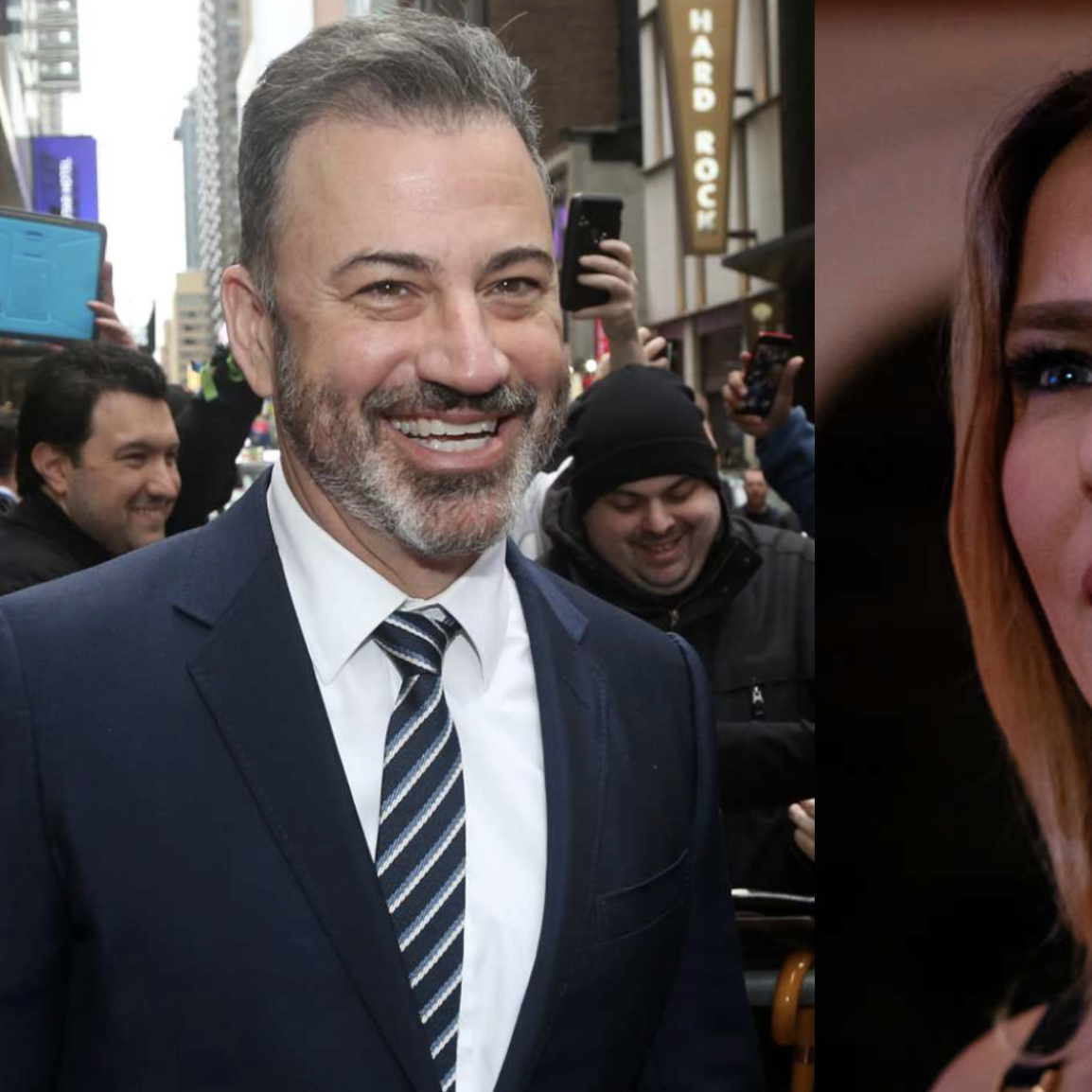
When Jimmy Kimmel made a joke about Kimberly Guilfoyle—a woman who lost her husband and is now engaged to Donald Trump Jr.—Melania Trump didn’t laugh. Instead, she issued a rare public rebuke, calling the comment “disgusting.” Kimmel didn’t stay silent. He pushed back with a pointed monologue defending satire, context, and the boundaries of late-night comedy. What followed wasn’t just a celebrity dust-up—it became a cultural flashpoint about humor, loss, and who gets to draw the line.
The Joke That Sparked a Firestorm
During a recent episode of Jimmy Kimmel Live!, Kimmel referenced Kimberly Guilfoyle’s personal history while critiquing the Trump family’s political ambitions. Guilfoyle, a former prosecutor and Fox News personality, became engaged to Donald Trump Jr. in 2018 after her husband, David Leach, died of cancer in 2014. She was pregnant at the time of his death and gave birth to their son months later.
Kimmel’s joke: “She’s an expectant widow—kind of like a maternity leave from grief.”
The line landed with sharp irony, playing on the absurdity of sudden political dynasties and personal tragedy intersecting. But to Melania Trump, it crossed a line. In a statement released through her spokesperson, she said: “Making light of a woman who lost her husband while carrying his child is disgusting and shows a deep lack of respect for women, motherhood, and human decency.”
The criticism was unusually direct for Melania, who has largely stayed out of public political debates since leaving the White House. This wasn't just a personal defense—it was a strategic reassertion of moral framing.
Why Kimmel Felt the Need to Respond
Kimmel didn’t respond with silence. He addressed the backlash head-on in his next monologue, not to apologize—but to clarify.
“I didn’t make a joke about a woman losing her husband,” Kimmel said. “I made a joke about the surreal nature of this political family turning personal grief into political capital, while positioning itself as America’s next royal dynasty.”
His rebuttal hinged on context. He emphasized that his target wasn’t Guilfoyle’s grief, but the way that grief—and other personal stories—have been curated and weaponized in political storytelling. He pointed to Trump Jr.’s social media posts featuring Guilfoyle and her son, often framed in saccharine, patriotic tones. Kimmel argued that when private pain becomes part of a public image, it enters the arena of satire.
This is a recurring tension in modern comedy: where does empathy end and critique begin?
The Line Between Satire and Sensitivity
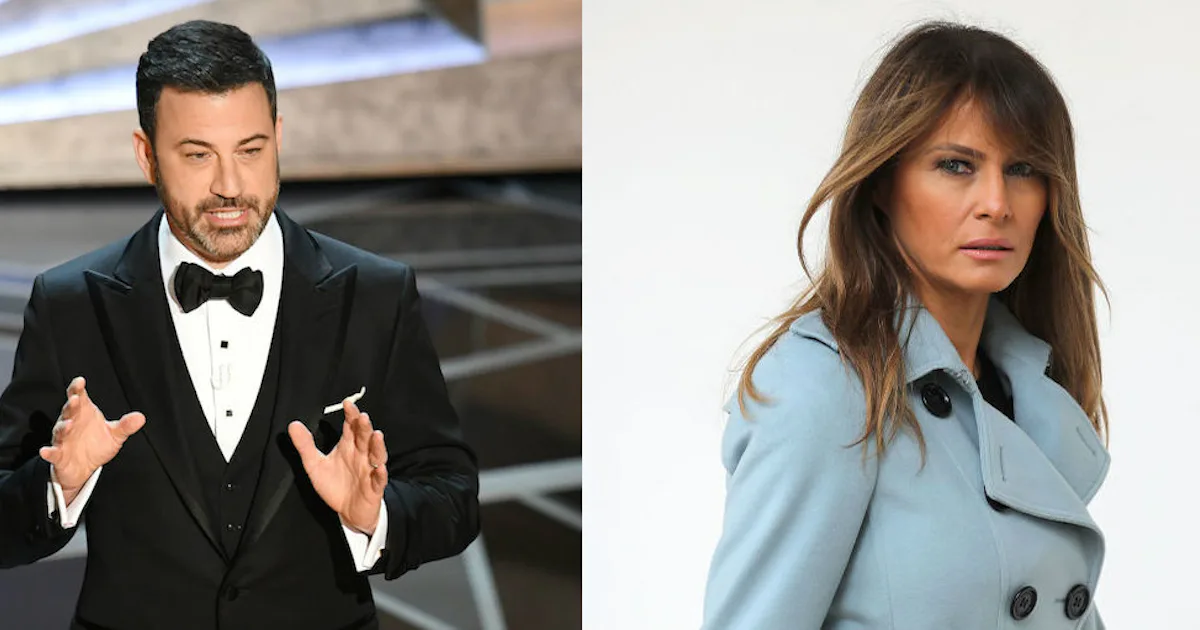
Late-night comedy has always danced on the edge of offensiveness. From Leno to Letterman to Colbert, hosts have used irony to dissect public figures. But the rules have changed. Audiences are more attuned to trauma, identity, and context. Jokes that might have flown in the 2000s now face immediate backlash on social media.
Kimmel’s defense reflects a broader philosophy: that public figures, especially those tied to politics, open themselves to scrutiny—not just policy, but personal narrative.
Consider past examples: - When Seth Meyers joked about Donald Trump’s hands during the 2016 election, critics called it childish. Supporters said it humanized a larger-than-life figure. - Trevor Noah faced heat for joking about Jussie Smollett’s alleged hoax, despite his consistent critiques of media sensationalism.
In each case, comedians argued they were critiquing the story, not the person. Kimmel positioned his joke the same way: not an attack on Guilfoyle, but on the mythmaking around her role in the Trump orbit.
Still, critics argue timing and tone matter. A joke about an “expectant widow” can’t be stripped of its emotional weight, regardless of intent. For many, the phrase trivializes the reality of pregnancy after loss—something experienced by thousands of women.
Melania’s Statement: Personal Outrage or Political Strategy?
Melania Trump’s response stands out because she rarely engages publicly. Her interventions—on issues like cyberbullying or children in detention—have been selective and symbolic.
Her criticism of Kimmel wasn’t just about protecting Guilfoyle. It was about reinforcing a narrative: that the Trump family values respect, dignity, and the sanctity of motherhood. By calling the joke “disgusting,” she framed Kimmel as part of a media elite that mocks traditional values.
This isn’t new. The Trump brand has long positioned itself against Hollywood and “coastal elites.” Melania’s move fits that playbook—using moral outrage to rally a base that distrusts mainstream entertainment.
But it also risks hypocrisy. The Trump family has used personal tragedies for political gain. Donald Trump frequently referenced his father’s death and his own business struggles. Ivanka Trump built a brand around motherhood and empowerment. Guilfoyle’s story—widow, single mother, conservative media star—fits a similar mold.
So when Melania draws a line at joking about that story, it raises questions: Is the outrage about ethics—or optics?
Comedy in the Age of Public Grief
We live in a culture where personal pain is often monetized and politicized. Think of influencers sharing miscarriage stories for brand deals, or politicians invoking family loss to humanize their campaigns. Once grief enters the public sphere, it becomes part of a larger narrative.
Comedians like Kimmel see themselves as truth-tellers in that landscape. Their job isn’t to comfort—it’s to question. To point out the absurdity when personal tragedy is packaged as political virtue.
But that role comes with responsibility. Intent doesn’t always match impact. A joke meant to critique can still wound someone on the receiving end.
Kimmel acknowledged this in his response: “I never want to punch down. But I also don’t think we do anyone a favor by pretending that personal stories told for public consumption are immune from commentary.”
It’s a nuanced position. Not all grief is the same. Not all stories are told equally. And not all comedians get to define where the line is.
What This Tells Us About Modern Satire
The Kimmel-Melania clash reveals deeper shifts in comedy and media:
- Satire is no longer neutral ground. Jokes are interpreted through political, cultural, and emotional lenses. A monologue isn’t just entertainment—it’s a statement.
- Public figures control their narratives—until they don’t. The moment a personal story is shared, it becomes open to interpretation. Comedians, journalists, and audiences will respond.
- Empathy is now part of the critique. Audiences don’t just ask, “Was it funny?” They ask, “Was it fair?” “Who does this hurt?” “Who benefits?”
Late-night TV is adapting. Shows now include content warnings, issue disclaimers, and more thoughtful framing. Kimmel’s response showed that evolution—he didn’t double down blindly. He explained, contextualized, and stood by his point—but with care.
This isn’t about censorship. It’s about accountability.
The Bigger Picture: Who Gets to Laugh?
At its core, this debate isn’t just about one joke. It’s about power—who holds it, who mocks it, and who’s protected from mockery.
Melania Trump, as a former First Lady, occupies a unique space. She’s a public figure but often opts out of the spotlight. When she does speak, it carries weight.
Kimmel, as a late-night host, wields influence through laughter. His monologues shape perceptions, fuel conversations, and sometimes spark outrage.
Their clash is symbolic: establishment grief versus media satire, traditional dignity versus irreverent critique.
And in that tension, we see the evolving rules of public discourse. Humor isn’t just entertainment anymore. It’s politics. It’s ethics. It’s identity.
Where Do We Go From Here?
The fallout from this exchange won’t change late-night comedy overnight. But it adds to a growing conversation about boundaries.
For comedians: context matters. Target the powerful, not the powerless—but recognize that power and pain often coexist.
For audiences: engage critically. Ask not just “Was it funny?” but “Why was it funny? Who benefits? Who’s harmed?”
For public figures: understand that when you share your story, you invite response—not just praise, but parody, critique, and yes, jokes.
Kimmel didn’t back down. Melania didn’t retreat. And the public is left to decide: where should the line be drawn?
If there’s a takeaway, it’s this: comedy shouldn’t be afraid to challenge, but it must do so with awareness. And public figures shouldn’t expect immunity just because their stories involve pain.
The best satire doesn’t ignore humanity—it reflects it, even when it hurts.
FAQ
What should you look for in Kimmel Fires Back at Melania Trump Over Widow Joke Criticism? Focus on relevance, practical value, and how well the solution matches real user intent.
Is Kimmel Fires Back at Melania Trump Over Widow Joke Criticism suitable for beginners? That depends on the workflow, but a clear step-by-step approach usually makes it easier to start.
How do you compare options around Kimmel Fires Back at Melania Trump Over Widow Joke Criticism? Compare features, trust signals, limitations, pricing, and ease of implementation.
What mistakes should you avoid? Avoid generic choices, weak validation, and decisions based only on marketing claims.
What is the next best step? Shortlist the most relevant options, validate them quickly, and refine from real-world results.