When a respected figure in film and Indigenous advocacy collapses under the weight of criminal conviction, the fallout resonates far beyond the courtroom. Nathan Chasing Horse—known for his role in Dances with Wolves, his work as a stunt performer, and his efforts to elevate Native American representation in Hollywood—now faces the irreversible consequences of his actions. In a high-profile trial that drew national attention, Chasing Horse was sentenced to life in prison for multiple counts of sexual assault.
His story is no longer one of artistic triumph or cultural advocacy—it’s a cautionary tale of abuse, power, and the long-delayed pursuit of justice.
From Hollywood Recognition to Criminal Defendant
Nathan Chasing Horse first gained visibility in the early 1990s after portraying the young Sioux warrior Smiles a Lot in Dances with Wolves, the Oscar-winning epic that brought Lakota culture to mainstream audiences. His performance, though brief, opened doors. Over the next two decades, he worked behind and in front of the camera—acting in Westerns, serving as a cultural consultant, and coordinating stunts on productions involving Native themes.
For a time, he was seen as a bridge between Indigenous communities and Hollywood. He advocated for authentic casting and traditional accuracy in film. But behind this public persona, allegations began to surface—first quietly, then with mounting legal force.
In multiple investigations spanning years, several women came forward with harrowing accounts of abuse. These were not isolated incidents but part of a pattern of manipulation and coercion, prosecutors argued. The turning point came when law enforcement consolidated evidence from multiple jurisdictions, leading to a multi-count indictment.
The Charges and Trial That Led to a Life Sentence
Chasing Horse was formally charged with multiple counts of sexual assault, including rape, sexual abuse of a minor, and criminal sexual acts involving coercion. The prosecution presented testimony from five women, some of whom were minors at the time of the alleged assaults. The incidents spanned over a decade, with reports dating from the early 2000s to the late 2010s.
Key elements of the case included:
- Patterns of grooming: Victims described how Chasing Horse used his status as an elder and cultural figure to gain trust, positioning himself as a mentor before exploiting that relationship.
- Use of isolation: Several victims said they were taken to remote areas during cultural retreats or filming trips, where they were cut off from support systems.
- Psychological manipulation: Testimony revealed instances where victims were told the abuse was part of “spiritual rituals” or “traditional practices,” a tactic that delayed reporting due to confusion and shame.
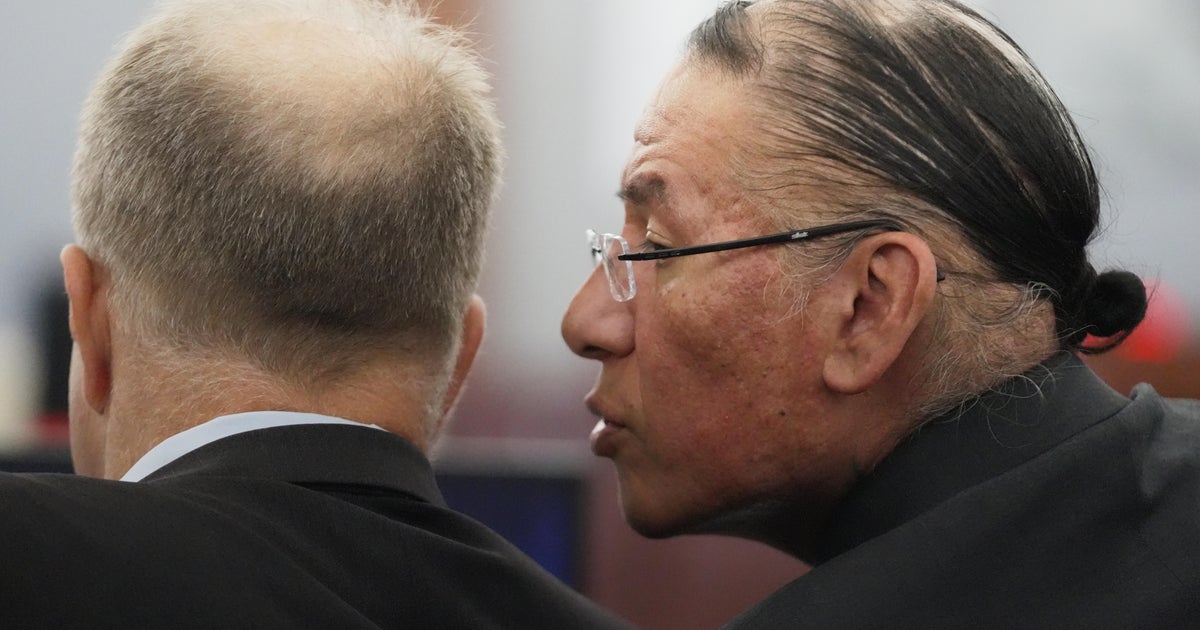
The trial, held in South Dakota, lasted several weeks. The defense attempted to question the credibility of witnesses and suggested conspiracy or exaggeration, but the jury found the evidence overwhelming. Chasing Horse was convicted on 11 of 13 counts, including first-degree rape and predatory sexual assault.
Why the Sentence Was So Severe
A life sentence without the possibility of parole is rare but not unprecedented in cases involving serial sexual violence, especially when minors are involved. Here’s what led to the harshest possible judgment:
- Pattern of repetition: The court found evidence of habitual criminal behavior across years, meeting the threshold for “persistent felony offender” status.
- Abuse of position: The judge emphasized that Chasing Horse exploited his influence as a cultural leader and filmmaker, making the crimes more egregious.
- Psychological harm: Expert testimony detailed long-term trauma among victims, including PTSD, substance abuse, and suicidal ideation.
In delivering the sentence, the presiding judge stated, “You used your visibility not to uplift, but to victimize. You betrayed trust in the most profound way—using tradition as a weapon.”
Impact on the Native American Film Community
The conviction has sent shockwaves through Indigenous artistic circles. Many who once respected or collaborated with Chasing Horse now face difficult reflections about complicity, silence, and systemic failure.
Some key repercussions:
- Erosion of trust: Young Native performers and aspiring filmmakers report feeling disillusioned, questioning whether advocacy spaces are truly safe.
- Re-evaluation of past projects: Films and documentaries featuring Chasing Horse are being re-assessed. Streaming platforms have quietly removed some titles from rotation, while others now carry content warnings.
- Calls for accountability structures: Activists are pushing for independent oversight in Indigenous-led productions, including third-party reporting systems and mandatory ethics training.
Lakota filmmaker Tazbah Rose Chavez commented: “We can’t let one man’s crimes discredit the entire movement for representation. But we also can’t pretend that power doesn’t corrupt, even in our own communities.”
Hollywood’s Broader Pattern of Ignoring Abuse
Chasing Horse’s case fits into a broader pattern in the entertainment industry: the delayed reckoning with abusers who operate under the guise of cultural authority.
Unlike high-profile cases such as Harvey Weinstein or Bill Cosby, abuse by figures like Chasing Horse often flies under the radar due to:
- Smaller, insular communities: In niche circles, especially those representing marginalized groups, victims fear speaking out will harm the collective cause.
- Lack of institutional oversight: Independent productions and low-budget films rarely have HR departments or compliance protocols.
- Romanticization of "elders" or "mentors": The reverence for cultural knowledge-keepers can blind communities to predatory behavior.
This case underscores the need for protective systems even in spaces fighting for justice. Trust should be earned—not assumed because of status or representation.
What Victims and Advocates Are Demanding Now
In the wake of the sentencing, survivor advocates are pushing for tangible changes, not just symbolic statements. Their demands include:

- Independent review boards for Indigenous-led arts initiatives to handle misconduct allegations.
- Mandatory trauma-informed training for anyone in mentorship roles within cultural programs.
- Archival transparency: Clear labeling of works involving convicted individuals, with contextual notes about their legal histories.
- Support funds for survivors, especially in underserved Native communities where mental health resources are scarce.
Organizations like the Native American Journalists Association (NAJA) and IllumiNative have begun drafting policy recommendations, urging film festivals and funding bodies to adopt ethical standards.
Lessons from the Fall of Nathan Chasing Horse
The arc of Nathan Chasing Horse’s life offers a grim but instructive narrative. It shows how visibility, cultural capital, and perceived authenticity can be weaponized to evade accountability.
For filmmakers, producers, and community leaders, critical takeaways include:
- Never equate representation with integrity. Just because someone amplifies marginalized voices doesn’t mean they’re immune to exploitation.
- Institutionalize reporting channels. Informal networks are not enough—survivors need safe, confidential avenues to come forward.
- Prioritize victim support over legacy protection. Defending a powerful figure to “protect the movement” only deepens harm.
One survivor, who testified anonymously, said it best: “I didn’t come forward to ruin his career. I came forward so no one else would have to live what I lived.”
Moving Forward: Accountability and Healing
The life sentence for Nathan Chasing Horse closes a legal chapter—but not the emotional or cultural one. For the victims, healing is ongoing. For the communities he once claimed to represent, the work of rebuilding trust has just begun.
The entertainment industry, particularly its independent and culturally specific corners, must confront its blind spots. Representation matters, but so does responsibility.
If there’s a path forward, it lies in transparency, systemic safeguards, and above all, listening to those who have been silenced for too long.
Now is the time to ensure that the next generation of Indigenous storytellers doesn’t inherit a legacy tainted by abuse—but one defined by truth, safety, and justice.
FAQ
What was Nathan Chasing Horse convicted of? He was convicted of multiple counts of sexual assault, including rape, sexual abuse of a minor, and predatory sexual acts, stemming from incidents over more than a decade.
Was Nathan Chasing Horse a well-known actor? Yes—he gained recognition for his role in Dances with Wolves and worked extensively as a stunt performer and cultural consultant in film and television.
How many victims came forward in the case? At least five women testified in court, with some alleging abuse when they were minors.
Why did it take so long for charges to be filed? Many victims were hesitant to come forward due to fear, shame, and Chasing Horse’s status as a cultural figure. Evidence was also scattered across jurisdictions.
Did Nathan Chasing Horse show remorse? During the trial and sentencing, Chasing Horse maintained his innocence and did not issue a public apology or express remorse.
Where was he sentenced? The trial and sentencing took place in South Dakota, where several of the crimes were committed.
Will his films still be available? Some projects featuring Chasing Horse have been pulled from streaming platforms, while others remain with content warnings or contextual disclaimers.
FAQ
What should you look for in Nathan Chasing Horse Sentenced in Sexual Assault Case? Focus on relevance, practical value, and how well the solution matches real user intent.
Is Nathan Chasing Horse Sentenced in Sexual Assault Case suitable for beginners? That depends on the workflow, but a clear step-by-step approach usually makes it easier to start.
How do you compare options around Nathan Chasing Horse Sentenced in Sexual Assault Case? Compare features, trust signals, limitations, pricing, and ease of implementation.
What mistakes should you avoid? Avoid generic choices, weak validation, and decisions based only on marketing claims.
What is the next best step? Shortlist the most relevant options, validate them quickly, and refine from real-world results.